
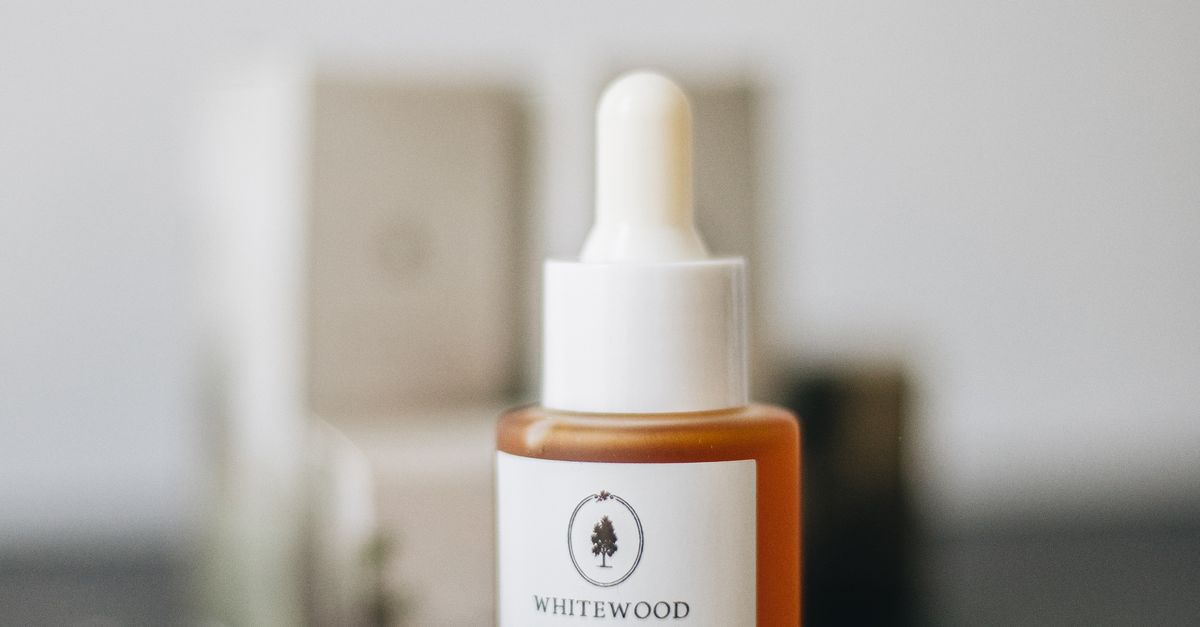
A $90 serum and a $15 one can contain identical actives at identical concentrations. The molecular biology of niacinamide does not know what you paid for it. Neither does snail mucin, or PDRN, or kojic acid. These compounds have fixed mechanisms — they either perform the function or they do not.
What you are paying for at $90
Brand positioning and media. Editorial placements, influencer contracts, campaign photography — all built into the cost of every unit sold.
Packaging. Heavy glass, magnetic closures, silk-lined boxes. Sensory signals of quality designed to make the purchase feel premium before the product is ever opened.
Retail margin. A product sold through department stores carries a wholesale margin of 50–60%. The brand must price high enough to cover that and still return a profit.
The formula itself typically represents 8–15% of the retail price of a premium skincare product. On a $90 product, that is $7–13 in formulation cost.
What makes AURÄX different
AURÄX operates without the overhead layers above. No retail distribution, no celebrity contracts, no packaging designed to signal luxury rather than deliver function. The result is a formulation budget that represents a significantly higher proportion of the retail price.
When SnailVeil retails at $12.50, the 96% snail mucin concentration is possible because the cost structure supports it. Most of what sits above $40–50 is positioning, not chemistry. The $15 serum that performs like the $90 one exists. We built it.